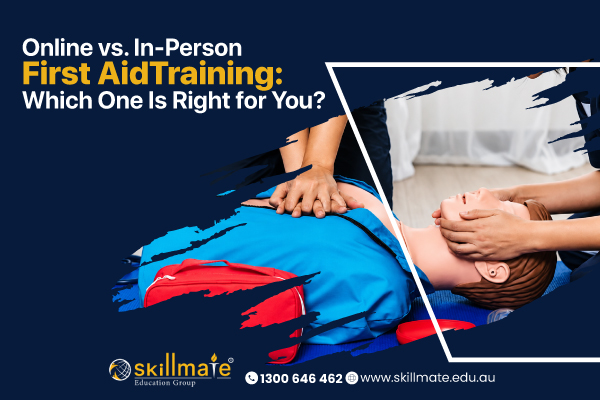
First aid is one of those skills that makes far more sense when you actually practise it. Reading about CPR, watching a demonstration or completing an online module can build knowledge, but responding to a real emergency is a different experience altogether. In Australia, this distinction matters because nationally recognised first aid training combines knowledge with practical competency. That is why choosing between online and in-person training is often less about convenience alone and more about understanding what each format can realistically provide.
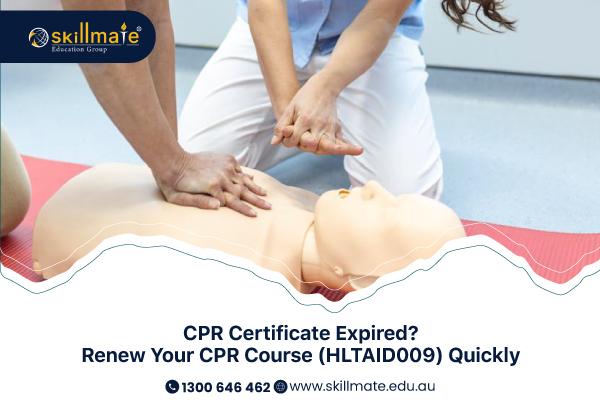
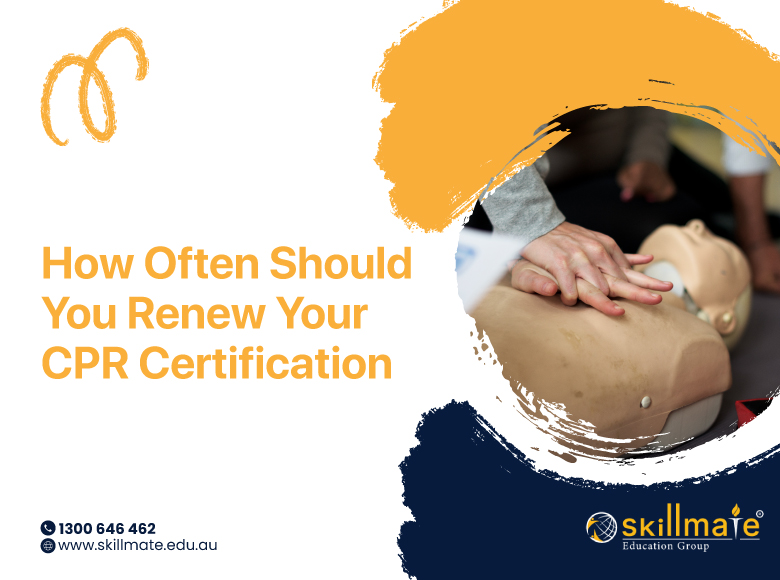
In Australia, training providers must follow the requirements set by the Australian Skills Quality Authority (ASQA). While online delivery is permitted, it must still meet the standards of the relevant qualification, and practical skills must be properly assessed in person. That is why many first aid courses are delivered in a blended format. There is a significant difference between knowing what to do in an emergency and actually performing it under pressure. First aid is a hands-on skill, and in-person training plays a critical role in building confidence and competence. For example, in the nationally recognised unit HLTAID011 Provide First Aid, learners must demonstrate practical skills such as performing CPR on adult and infant manikins, using an automated external defibrillator (AED) trainer and responding to simulated emergency scenarios. These are based on the guidelines for the purpose of assessment of CPR procedures laid down by Australian Resuscitation Council. Learners are also assessed on how they manage conditions like asthma, anaphylaxis, choking and bleeding. These skills are difficult to fully develop through online learning alone. In-person training allows learners to practise techniques, receive immediate feedback from a qualified trainer and correct mistakes in real time. It also helps build muscle memory, which is essential in high-pressure situations where quick action is required. For many learners, especially those new to first aid, this hands-on experience makes the training more realistic and easier to remember.
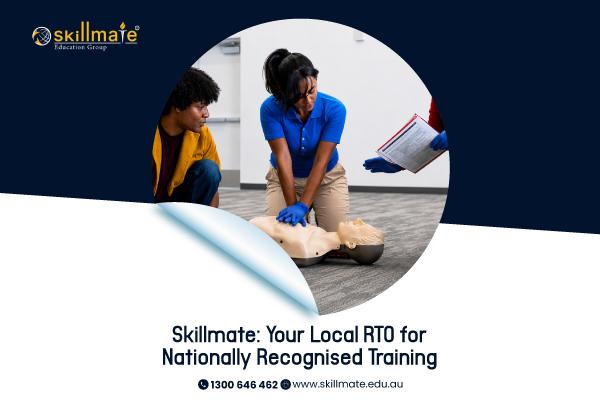
If you are looking for first aid training that fits around a busy schedule without losing the practical side of learning, Skillmate offers training designed to make the process clear and accessible. As an Australian RTO provider, Skillmate delivers nationally recognised first aid training with a strong focus on developing practical, workplace-ready skills. Learners can build their knowledge through structured course content and then apply it during practical training and assessment, helping them leave with more than just a certificate. Contact us today!
Frequently Asked Questions
1. Can I complete a first aid course fully online in Australia?
No, nationally recognised first aid courses require practical assessment. While theory can often be completed online, you must still attend an in-person session to demonstrate your skills.
2. Is blended first aid training recognised in Australia?
Yes, blended training is widely recognised as long as it is delivered by a registered training organisation and meets the requirements of the relevant unit of competency.
3. How long does a first aid course usually take?
Most first aid courses can be completed in one day for the practical component, with online theory taking a few hours depending on the provider and your pace of learning.